HVAC · Skokie, IL
Technicians follow a consistent inspection sequence on every furnace. Parts are chosen to fit the existing model rather than generic substitutes. Findings are written down so the homeowner understands what HVAC maintenance addressed.
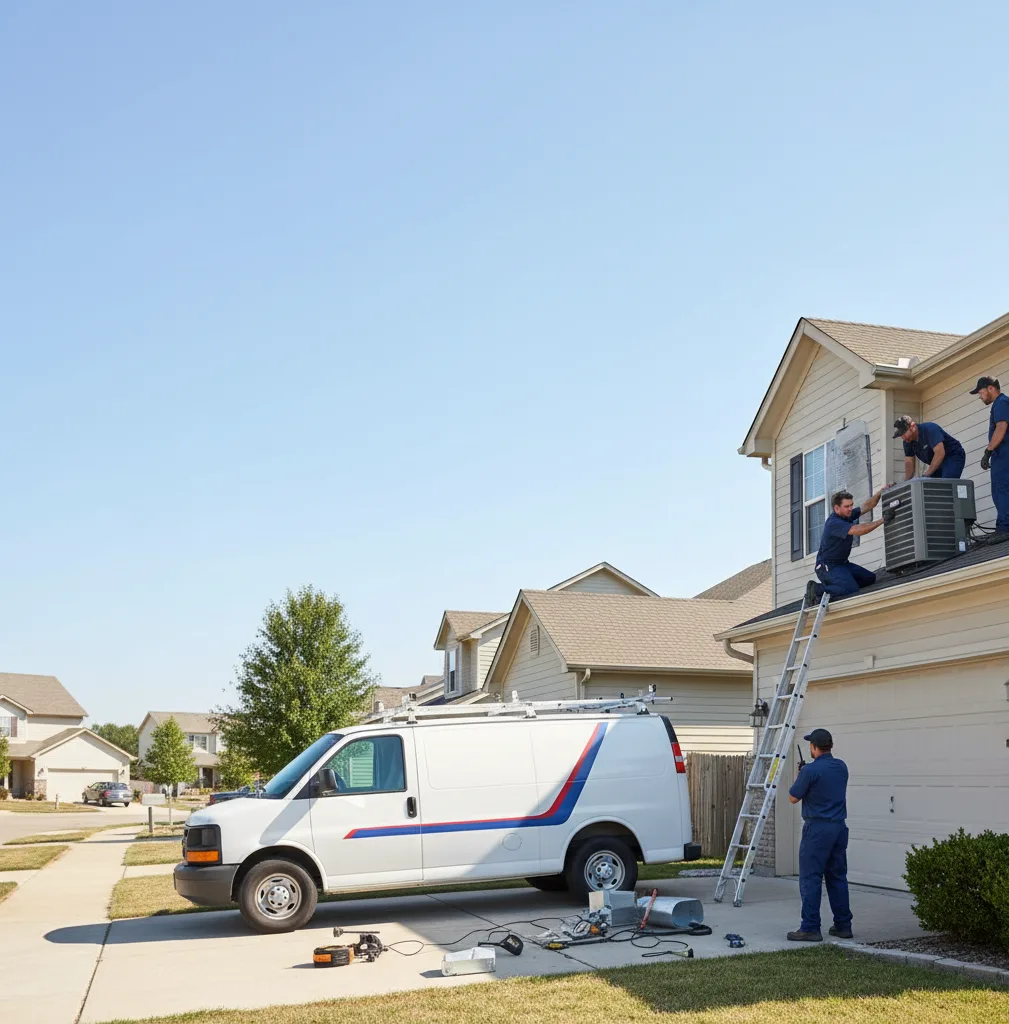
A furnace that stops producing warm air often points to a few common mechanical problems. Homeowners may first notice uneven temperatures between rooms or hear unusual clicking sounds when the heating system tries to start. The technician begins by confirming power supply and thermostat settings, then moves to the air filter and blower assembly. Restricted airflow or a worn belt can prevent proper heat distribution even when the unit appears to run.
Inside the cabinet, issues frequently involve the limit switch or a failing capacitor that no longer supplies enough power to the motor. In some cases the pilot assembly or electronic ignition has become unreliable due to dust buildup over several seasons. Checking gas pressure and venting condition helps rule out safety concerns before any parts are replaced. These steps give a clear picture of whether a minor adjustment will restore function or whether deeper work is required.
Furnace systems must operate reliably through changing seasonal demands that affect heating efficiency and component lifespan. Maintenance routines address how surrounding conditions interact with equipment over time. Skokie experiences warm summers and hard winters, around 33 inches of snow a year, and 126 nights below freezing.
Ground conditions around a property affect the stability of foundations and the routing of ductwork or outdoor components. The area rests on clay-heavy soil.
Water from local supplies can influence scale buildup or corrosion on certain heating elements. Taps provide very hard water. Seasonal shifts often increase wear on furnaces, especially where freeze risks or temperature swings place extra stress on ignition and airflow parts.
FAQ

Confirm the thermostat is set to heat and the fan switch is on auto. Check that the power switch near the furnace is on and look at the filter to see if it is blocked. These quick steps sometimes reveal a simple fix before a technician arrives.
Short cycling usually traces back to an oversized unit, a dirty filter, or a thermostat that is not reading the room temperature correctly. We check the temperature differential across the equipment and the placement of the thermostat to narrow it down. In some cases the limit switch is tripping early because of restricted airflow.
Most filters slide out easily once you locate the return grille or furnace door. We can show you the correct size and direction during a visit so future changes are simple. If the system has been running with a clogged filter for a while we may still need to inspect the blower and coil.